Leg Veins Not Improving? What Works to Reduce Their Appearance

Published by MAESKN Aesthetics

Published date 10.04.26

Leg Veins That Won’t Fade? What Actually Improves Their Appearance (And What Doesn’t)

You’ve likely tried heavy foundations and “miracle” horse chestnut creams, yet those stubborn blue and red lines on your calves haven’t budged. Industry data reveals a billion-dollar market built on the hope that topical lotions can erase these marks, but there is a biological catch. A surface cream simply cannot fix a deep-pressure plumbing problem.


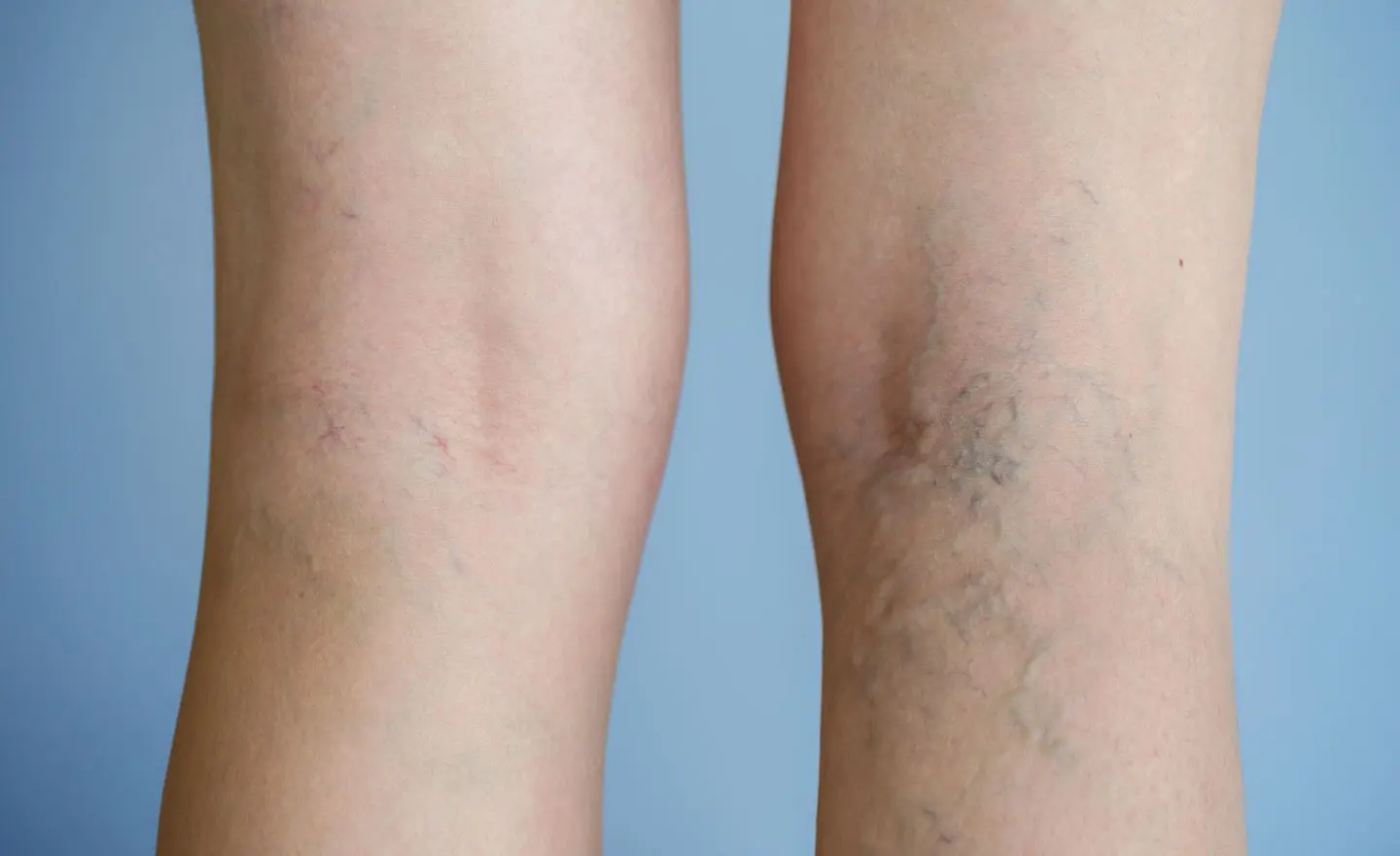
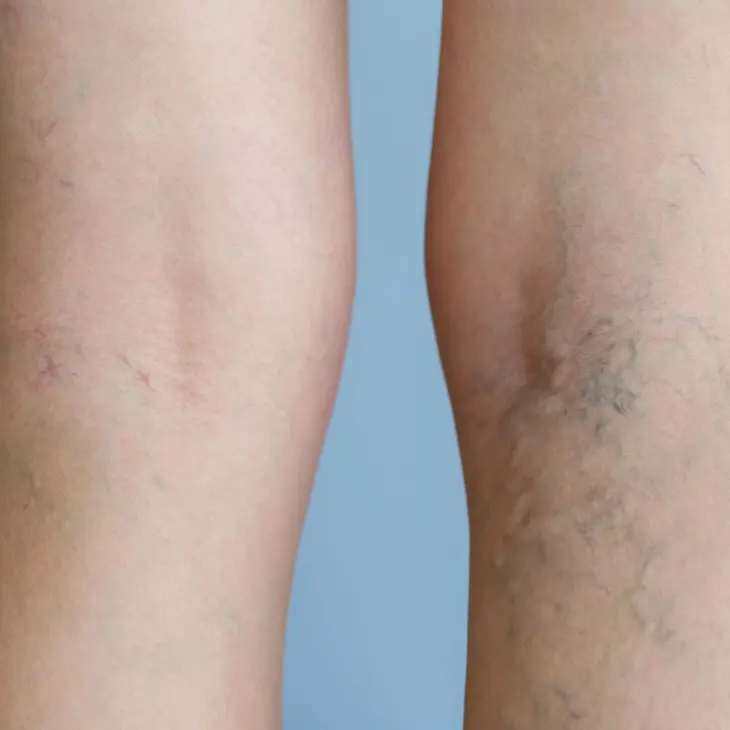
Vascular specialists agree that distinguishing spider veins from varicose veins requires looking beneath the skin at how blood flows backward and pools. Whether dealing with a tiny visual leak or a stretched, bulging vessel, true progress requires addressing root vascular pressure. Proven clinical solutions target your daily comfort, deep-tissue health, and cosmetic appearance.

The One-Way Door: Why Blood Pools and Veins Bulge


Have you ever wondered how blood makes the long trip from your toes back up to your heart? Your veins act like a series of one-way doors. As your calf muscles pump, these tiny flaps open to let blood travel upward, then quickly snap shut to keep gravity from pulling it right back down.

Over time, prolonged standing and age act as risk factors for developing leg veins that lose their elastic snap. When these internal flaps weaken and fail to close, blood falls backward and pools. This mechanical failure causes early chronic venous insufficiency symptoms, such as a deep aching or a “heavy” feeling in your lower legs by 5:00 PM.

That trapped fluid creates immense pressure, eventually forcing the vessel to twist and bulge visibly against your skin. This internal plumbing issue dictates the necessary medical vein treatment options. Since the root cause is entirely mechanical, surface-level “miracle” creams simply cannot reach the deep-pressure problem.

The Truth About 'Miracle' Creams: Why They Can’t Reach the Deep-Pressure Problem


There is a billion-dollar industry built on the hope that a lotion can erase your struggles, but do topical vein creams actually work? Think of spider veins like a pen leaking ink onto a shirt. Both spider and varicose veins are structural “leaks” beneath the surface; you cannot fix a broken ink cartridge by washing the fabric. When searching for natural remedies for leg vein health, you will frequently encounter these ingredients:

  • Horse Chestnut: Marketed for swelling, but structurally unable to fix failed mechanical valves.
  • Vitamin K: Hydrates the skin, yet cannot penetrate deeply enough to close damaged capillaries.
  • Witch Hazel: Soothes surface irritation while leaving the underlying pooled blood completely untouched.

Surface applications simply cannot reach the deep-pressure problem causing your visible symptoms. True relief requires sealing the broken pipe entirely with precision clinical tools.

Sclerotherapy vs. Laser: The Precision Tools That Actually Clear Your Skin


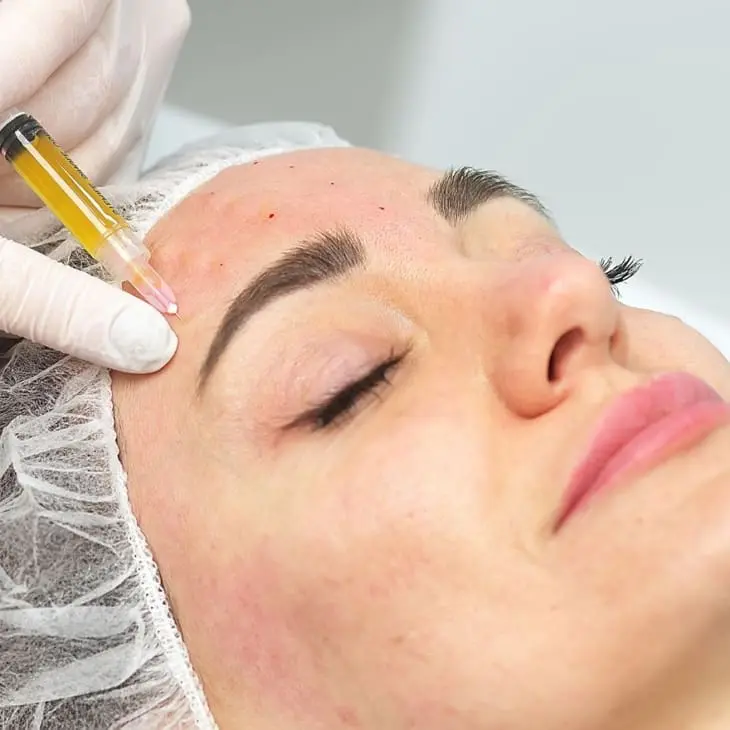
If surface lotions cannot fix a deep-pressure problem, what does? When exploring how to get rid of spider veins permanently, doctors rely on a concept called “controlled closing.” Instead of pulling problem veins out, specialists gently seal the “broken pipe” shut. For smaller surface clusters, the clinical standard used to be sclerotherapy. This injectable acts as a liquid fix, delivering a safe, targeted solution that collapses weak vessel walls so they gradually fade away. However, Sclerotherapy can be extremely uncomfortable. Laser leg vein treatment is now the ‘gold, clinical standard’ for the treatment of leg veins. A quick, non-invasive, pain free approach that offers long lasting results. Laser treatment for leg veins targets and collapses the walls of the large apparent vessels. Leaving a clear, vein free legs.  

Larger, bulging varicose veins require a slightly different approach when weighing sclerotherapy vs laser vein treatment. Laser ablation uses a tiny, warm catheter to securely seal damaged veins from the inside. You might wonder where the blood goes once these professional varicose vein removal options close those bad pathways. Your body simply reroutes the flow to deeper, healthier veins nearby, automatically restoring the one-way traffic your legs need to feel light and comfortable again.

Modern clinical procedures offer incredible peace of mind without the lengthy hospital stays of the past. The success rate of endovenous laser ablation and modern injectables sits well over 90%, with most people resuming light activities that very same day. While these precision tools excel at clearing your skin, protecting your newly treated legs requires simple daily maintenance to stop new veins before they start.


The Power of Compression: How to Stop New Veins Before They Start


Preventing new leg veins from forming relies on simple mechanics rather than miracle creams. Your body uses a built-in “calf muscle pump” to circulate flow. Think of your calves as sponges; every time you walk, they squeeze your deep veins, forcefully pushing pooled blood upward against gravity.

When that natural pump needs help, the benefits of graduated compression stockings become clear. Unlike standard socks that can squeeze too tightly in the wrong places, these specialised garments are tightest at the ankle and gradually loosen higher up. This targeted upward squeeze acts like a supportive second skin, maximising any leg veins treatment by keeping your internal one-way doors securely closed.

Keep your legs feeling light and prevent future bulging with this four-step daily checklist:

  • Elevate: Rest feet above heart level for 15 minutes to let gravity drain pressure.
  • Pump: Do ten heel raises every hour during long sitting or standing shifts.
  • Compress: Apply 15-20 mmHg strength stockings before your morning commute.
  • Hydrate: Drink water consistently to keep blood volume optimal and flowing easily.

Mastering these daily habits perfectly prepares you for clinical action.

Your Clearer Skin Roadmap: From Awareness to Clinical Action


You no longer need to waste money on miracle creams when addressing the physical mechanics of vein pressure. For the next 30 days, focus on achieving true “leg lightness” through daily movement, elevating your feet, and wearing compression socks. If your legs still throb or show skin changes, these red flags mean it is time to look beneath the surface.

If you have varicose veins, schedule a board-certified phlebologist consultation for an ultrasound to map your blood flow. This evaluation determines if intervention is a medical necessity or if cosmetic leg vein & spider vein treatment is an option for you. . Evaluating your clinical options and following proper post-treatment care empowers you to finally reclaim your comfort and confidence.


Latest News

Our clients thoughts

We are proud to build lasting relationships with clients who value care, expertise, and beautiful results.

Here’s what some of our clients have kindly shared about their experience with us. If you’ve visited recently, we warmly welcome you to leave a review of your own on Google.

MAESKN Aesthetics - Our Clinic MAESKN Aesthetics - Our Clinic

Our Clinic

Your Sanctuary

A serene space dedicated to your skin health and confidence, where every visit feels like self-care.

Book a Consultation

Get in touch

"*" indicates required fields